
How Google AI Mode Is Changing Search Ads and PPC Strategies
Digital advertising is entering a new phase. AI-powered search is growing fast. Search engines are no longer just about keywords. They’re moving toward conversational, context-aware answers that often come from AI. One big change is Google AI Mode. It alters how people search.
Instead of just listing links, Google now gives summarized answers and recommendations. It shows comparisons and conversational replies right inside search. Search feels faster and more personal for users. But advertisers and marketers face big changes in how search ads work and how visibility is earned. Search ads used to rely on clicks, keywords and being visible on the results page.
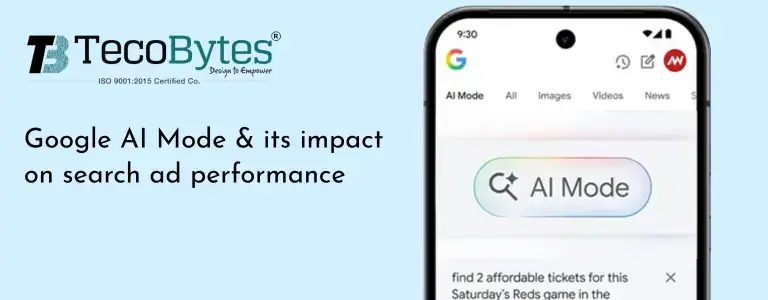
What Is Google AI Mode?
Google AI Mode means Google is putting more AI into the search experience. Instead of just a list of links, Google now uses AI systems.
- It summarizes information.
- It answers questions in a conversational way.
- It gives recommendations.
- It compares products or services.
- It generates contextual insights.
- It predicts user intent.
- And it personalizes search experiences.

Why Google AI Mode Matters for Advertisers
Search advertising has long been one of the most profitable digital marketing channels because it captures user intent at the moment people actively search for information or products.
However, Google AI Mode is changing how that intent is processed and satisfied.
In traditional search:
- Users search for a query
- Search results appear
- Users click on websites or ads
- Businesses compete for visibility
With AI-driven search experiences, Google may answer some queries directly before users even visit websites. This creates major implications for:
- Click-through rates
- Organic traffic
- Paid search visibility
- User engagement
- Conversion paths
- Ad placement strategies
How Google AI Mode Is Changing User Behavior
One of the biggest impacts of AI-powered search is the shift in user behavior. Users are increasingly expecting:
- Faster answers
- Conversational interactions
- Personalized recommendations
- Fewer steps to find information
Instead of searching with short keywords, users now ask more detailed and natural-language questions such as:
- “Which laptop is best for graphic designers in 2026?”
- “Best cloud hosting provider for small businesses”
- “Affordable cybersecurity tools for startups”

Declining Click-Through Rates for Some Queries
One of the biggest concerns surrounding Google AI Mode is the potential reduction in click-through rates for both organic and paid search results.
If AI-generated answers provide enough information directly within search results, users may feel less need to click on external links. This trend may especially affect:
- Informational searches
- Basic comparison queries
- Simple how-to searches
- General knowledge topics
For example, if users ask: “What are the best project management tools?” Google AI Mode may summarize several options directly in the search results before users interact with ads or websites.
Higher Importance of Brand Authority
In AI-driven search experiences, brand credibility is becoming increasingly important. Google’s AI systems are more likely to reference or prioritize businesses that demonstrate:
- Trustworthiness
- Expertise
- Strong online reputation
- High-quality content
- Positive user engagement
This means businesses with stronger brand authority may receive better visibility inside AI-generated search experiences. For advertisers, branding now plays a larger role in PPC performance than before. Businesses can no longer depend entirely on aggressive keyword bidding strategies alone. Instead, they must build:
- Recognizable brands
- High-authority content
- Positive customer experiences
- Strong trust signals
Changes in Keyword Strategies
Traditional PPC campaigns often focused heavily on exact-match keywords and short search phrases. However, conversational AI search is changing how keywords work. Users now search with longer, more natural questions and detailed intent-based queries. Because of this, advertisers need to adapt by focusing more on:
- Conversational keywords
- Long-tail search queries
- Intent-based targeting
- Contextual relevance
Increased Importance of High-Quality Ad Creatives
Ad creatives matter more now. AI-generated search is getting smarter. That means more competition for attention. Users see more info right inside search results. Ads need to be more engaging and relevant to earn clicks. Weak, generic ads will struggle in AI-powered environments.
Advertisers should focus on creating:
- Strong headlines
- Clear value propositions
- Personalized messaging
- Emotion-driven copy
- Relevant offers
- High-quality visuals

AI-Powered Search Is Improving Ad Targeting
While some marketers worry about declining clicks, Google AI Mode also creates new opportunities for better ad targeting. AI systems can analyze:
- User behavior
- Search intent
- Contextual signals
- Engagement patterns
- Purchase likelihood
- Audience preferences
This allows advertising platforms to deliver more relevant advertisements to users. Instead of relying only on keywords, AI-powered systems can better understand what users are actually looking for. This may improve:
- Ad relevance
- Conversion quality
- Audience segmentation
- Campaign personalization
Search Ads May Become More Contextual
Google AI Mode is likely to make advertising more contextual and dynamic. Instead of static search ads triggered only by keywords, future advertising systems may adapt based on:
- Conversation context
- User behavior
- Previous interactions
- Real-time intent signals
- Device usage
- Search history
The Rise of AI-Optimized Landing Pages
As AI search evolves, landing page quality is becoming even more important. Google increasingly evaluates whether landing pages genuinely satisfy user expectations after ad clicks. Businesses should focus on creating landing pages that offer:
- Fast loading speeds
- Clear messaging
- Helpful information
- Strong user experience
- Mobile optimization
- Easy navigation
Impact on Small Businesses
Google AI Mode creates both challenges and opportunities for small businesses. Larger brands with stronger authority may receive more visibility in AI-generated search experiences. On the other hand, businesses with highly valuable and niche-focused content can still compete effectively. Small businesses can improve their visibility by focusing on the following:
- Specialized expertise
- Local relevance
- Helpful content
- Strong customer engagement
- Unique value propositions

The Role of Automation in Search Advertising
AI-driven search environments are also increasing the role of automation in PPC management. Modern advertising platforms already use automation for:
- Smart bidding
- Audience targeting
- Ad optimization
- Budget allocation
- Campaign testing
Google AI Mode will likely accelerate this trend further. Advertisers may rely more on AI-assisted systems to manage campaigns dynamically based on real-time performance data. However, human strategy still remains important.
How Marketers Should Adapt
To succeed in AI-powered search environments, marketers should focus on several key areas.
Build Strong Brand Authority
Invest in trust, credibility, and expertise rather than relying only on technical SEO or aggressive bidding.
Create High-Quality Content
Helpful, original, and informative content improves visibility across both organic and AI-generated search experiences.
Focus on User Intent
Understand what users actually want instead of optimizing only for keywords.
Improve Ad Creativity
Develop engaging and relevant advertisements that should be unique in competitive search environments.
Optimize the Landing Pages
Ensure landing pages provide excellent user experiences and align closely with the search intent.
Embrace AI Tools Strategically
Use AI-powered advertising tools to improve efficiency while maintaining human oversight and creativity.
The Future of Search Advertising
Google AI Mode represents a major transformation in digital advertising. Search experiences are becoming:
- More conversational
- More personalized
- More context-aware
- More AI-driven
Final Thoughts
Google AI Mode is reshaping the entire dynamics of search engines, users and advertisers. AI-driven search is simplifying user experience but bringing up new opportunities and challenges for the businesses running search advertising campaigns. While a number of advertisers may find certain changes in click-through rates and visibility, this also creates opportunities such as greater personalization, targeting and optimization.
Businesses relying solely on old PPC methods may fall back if they don’t adjust to the new search behavior. Brands which succeed in future will likely be those that balance the following attributes:
- Brand authority
- Content
- Ad centered on users
- Messaging and AI adoption
PPC advertising is not dead; it is evolving quickly.
Understanding the impact of Google AI Mode today will help marketers build stronger, more adaptive advertising strategies for the future of digital search.